
For many people, the idea of going to the dentist conjures images of whirring instruments and uncomfortable reclining chairs. But modern preventive care is far less intimidating—and far more important—than most realize. A routine teeth cleaning and exam is a foundational part of maintaining long-term oral health, identifying early signs of disease, and ensuring your smile stays strong and pain-free.
At Big Sky Family Dental, we understand that patients want to know what to expect before they sit down in the chair. This article provides a clear look at the entire process—from initial assessments to polishing and follow-up care—and answers a key question we often hear: how often do I need my teeth cleaned?
Why Preventive Dental Visits Matter
Preventive dental care doesn’t just keep your teeth clean—it actively reduces your risk for cavities, gum disease, oral cancer, and even systemic health issues like heart disease and diabetes. According to the Centers for Disease Control and Prevention (CDC), more than 47% of adults over age 30 have some form of periodontal disease, a leading cause of tooth loss in adults.
Routine cleanings and exams allow dental professionals to:
- Remove plaque and tartar buildup
- Detect cavities and gum disease early
- Identify oral cancer risk factors
- Monitor bite alignment and wear patterns
- Provide guidance for at-home care
The American Dental Association (ADA) emphasizes that dental visits are most effective when tailored to the patient’s health needs—which begins with regular checkups.
How Often Do I Need My Teeth Cleaned?
The standard recommendation from both the ADA and Big Sky Family Dental is to schedule a teeth cleaning and exam every six months. However, some individuals may require more frequent visits based on risk factors such as:
- History of gum disease
- Diabetes or other systemic conditions
- Smoking or tobacco use
- Rapid tartar buildup
- Pregnancy-related hormonal changes
In high-risk cases, cleanings may be recommended every 3 to 4 months. Our dentist will evaluate your needs and create a customized care schedule based on your oral health profile.
Step-by-Step: What Happens During a Teeth Cleaning and Exam
Understanding each part of the visit can help you feel more comfortable and empowered during your appointment. At Big Sky Family Dental, our routine checkups are designed to be thorough, gentle, and informative.
1. Check-In and Medical History Review
Your appointment begins with a review of your health history. You’ll be asked about any changes in medications, general health conditions (like diabetes or heart disease), allergies, or recent dental concerns.
This step is essential because some health conditions and medications can influence oral health or affect treatment choices. For example, anticoagulants may alter the approach to periodontal procedures, and dry mouth (xerostomia) from certain medications increases cavity risk.
2. Digital X-Rays (If Needed)
Dental X-rays are typically taken once a year, or more often if a problem is suspected. These images provide a detailed view of structures that aren’t visible to the naked eye, such as:
- Cavities between teeth
- Bone loss due to gum disease
- Impacted teeth or infections
- Changes in root structure
Modern digital X-rays emit up to 90% less radiation than traditional film-based systems and are immediately viewable on-screen, making the process faster and safer.
3. Periodontal Charting and Gum Health Assessment
A dental hygienist will measure the depth of the pockets around your teeth using a periodontal probe. Healthy pockets typically range from 1–3 millimeters. Deeper pockets may indicate gingivitis or periodontitis, especially if accompanied by bleeding or inflammation.
This charting is crucial for tracking gum health over time and determining whether more advanced periodontal treatment is needed.
4. Plaque and Tartar Removal (Scaling)
Plaque is a soft, sticky film of bacteria that can harden into tartar (calculus) if not removed regularly. Tartar can’t be removed by brushing alone—it requires specialized instruments during a professional cleaning.
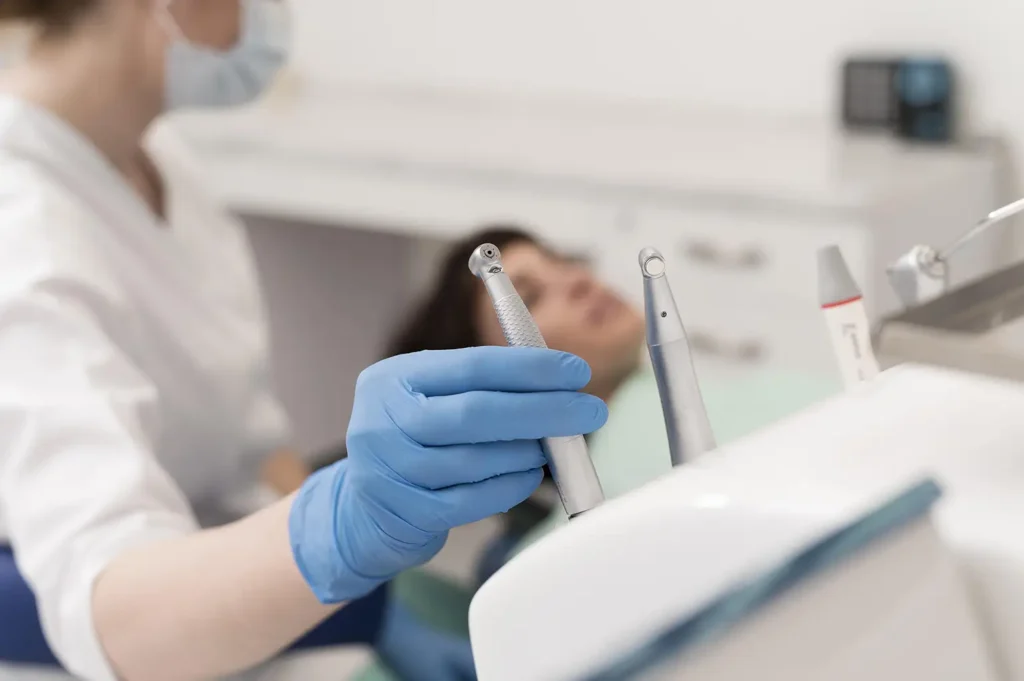
Your hygienist uses ultrasonic scalers and hand tools to gently but thoroughly remove these deposits from above and below the gumline. This process is called scaling and is essential for preventing cavities, gum disease, and bad breath.
5. Polishing and Flossing
After scaling, your teeth will be polished using a gritty toothpaste (prophylaxis paste) and a spinning rubber cup. This helps smooth the tooth surfaces, making it harder for plaque to stick.
The hygienist will then floss between your teeth to remove any remaining debris and to check for tight or irregular contacts. This is often followed by a rinse to clear away particles and polishing compound.
6. Fluoride Treatment (If Recommended)
For patients at higher risk of tooth decay, an optional fluoride varnish or gel may be applied. This helps remineralize enamel and reduce sensitivity.
According to the Cochrane Oral Health Group, professional fluoride treatments can reduce cavity risk by 28% among children and adolescents, and they’re also beneficial for adults with high caries risk or exposed root surfaces.
7. Dental Examination by the Dentist
Once the cleaning is complete, your dentist will perform a comprehensive examination that includes:
- Checking teeth for decay, cracks, or wear
- Inspecting previous dental work (fillings, crowns, bridges)
- Evaluating jaw movement and bite alignment
- Assessing soft tissues for lesions or abnormalities
- Screening for oral cancer using visual and tactile methods
Any findings will be discussed with you, and digital images may be shown on-screen to explain what’s observed.
8. Discussion and Treatment Planning
The visit concludes with a discussion about your oral health status and recommendations. If any issues are identified—such as cavities, gum inflammation, or jaw pain—your dentist will outline treatment options, costs, and next steps.
You may also receive guidance on improving your brushing and flossing technique or recommendations for dental products suited to your needs (e.g., electric toothbrushes, mouth rinses, night guards).
What Are the Benefits of Routine Cleanings and Exams?
Many dental conditions are painless in the early stages. Regular cleanings and exams allow early detection and treatment before issues become more serious or costly.
Documented Benefits Include:
- Lower risk of tooth loss: The Journal of Dental Research found that individuals who visited the dentist twice a year lost significantly fewer teeth over time compared to those who visited less often.
- Reduced health care costs: A study in Health Affairs showed that patients receiving regular preventive dental care incurred 10% lower overall medical costs over five years.
- Early cancer detection: Oral cancer screenings during exams improve the chance of identifying suspicious lesions early when treatment is more successful.
What If It’s Been a Long Time Since Your Last Visit?
If it’s been years—or even decades—since your last cleaning, don’t worry. You’re not alone. According to the ADA, about 36% of adults in the U.S. haven’t seen a dentist in over a year. Barriers like anxiety, cost, or lack of insurance often delay care.
At Big Sky Family Dental, we’re committed to creating a judgment-free environment. Our goal is to meet you where you are and help you rebuild your dental wellness through compassionate, personalized care.
Depending on your condition, you may need a deep cleaning (scaling and root planing) instead of a standard cleaning. Your dentist will explain everything clearly and provide options that fit your comfort and budget.
Tips for Making the Most of Your Dental Visits
- Arrive 10 minutes early to update your health history or insurance info
- Bring a list of questions or symptoms you’ve noticed since your last visit
- Be honest about lifestyle habits (e.g., smoking, diet, bruxism)
- Ask for product recommendations specific to your needs
- Discuss any dental anxiety or sensitivity you experience—solutions are available
FAQs
Q: How long does a teeth cleaning and exam take?
A: On average, about 45–60 minutes. If X-rays or additional assessments are needed, it may take slightly longer.
Q: Does the cleaning hurt?
A: Most patients experience little to no discomfort. If you have sensitivity or inflammation, let your hygienist know—they can adjust their technique or apply numbing gel.
Q: What if I have dental insurance?
A: Most dental insurance plans cover two cleanings and exams per year at 100%. We’re happy to verify your benefits and explain coverage before your visit.
Conclusion: Protect Your Oral Health with Regular Cleanings
A teeth cleaning and exam is one of the most valuable tools in your dental toolkit. It doesn’t just keep your teeth clean—it helps detect problems early, prevent disease, and support whole-body health.
At Big Sky Family Dental, we believe in empowering patients through education, transparency, and top-tier clinical care. If you’re wondering how often do I need my teeth cleaned, the answer depends on your unique needs—but we’re here to help you figure it out and keep your smile strong for years to come.
Whether you’re due for your six-month checkup or it’s been a while since your last visit, we invite you to schedule your next teeth cleaning and exam with us today. Your future smile will thank you.
Sources:
- American Dental Association (ADA) – Dental Visit Frequency
- Centers for Disease Control and Prevention (CDC) – Oral Health Statistics
- Cochrane Oral Health Group – Topical Fluoride Effectiveness
- Journal of Dental Research – “Frequency of Dental Visits and Tooth Loss”
- Health Affairs – “Preventive Dental Care and Medical Cost Savings”